
From food to fuel: how ammonia can help accelerate the energy transition in Europe
Aramco Europe supports a key milestone in the development of the European hydrogen economy by participating in a ‘theoretical ammonia pipeline’ safety study.
- Ammonia has potential to become a major fuel of the Energy Transition
- Potential to offset intermittency of renewable sources such as wind and solar
- Pipeline study explores potential for safe transportation across Europe
Scientists Fritz Haber and Carl Bosch synthesized ammonia (NH3) from hydrogen and nitrogen more than a century ago, allowing fertilizers to be produced at scale for the first time. As famine threatened Europe, it was likened to ‘making bread from air’. The Haber-Bosch process remains the principal method by which ammonia is manufactured to this day and is widely recognized as one of the most impactful discoveries in human history.
However, the full impact of this famous chemical process may yet to be realized, as scientists conceptualize how lower-carbon ammonia could potentially revolutionize energy as well as agriculture.
Easier energy transportation
The higher the energy density of a fuel, the more energy can be stored or transported for the same amount of volume, so ammonia’s relatively-higher energy density makes ammonia easier to transport and store in larger quantities than highly-flammable hydrogen. For these reasons, it has the potential to become a major fuel of the Energy Transition — from offsetting the weather-related intermittency of renewable energy sources, to fueling heavy duty machinery, shipping, and other hard-to-abate sectors.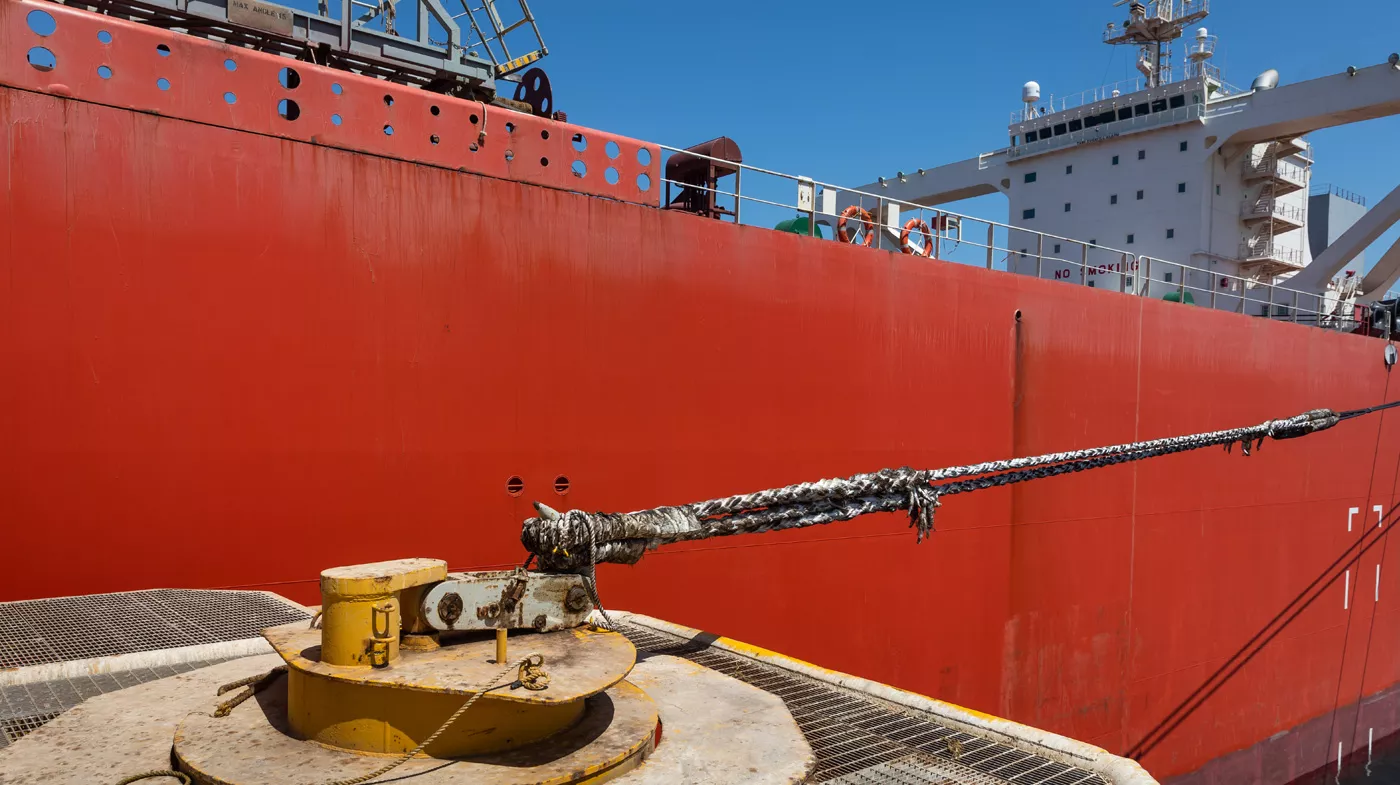
Ammonia has the potential to become a major fuel of the Energy Transition, especially for hard-to-abate sectors such as shipping.
Pipeline safety study
The journey towards establishing a lower-carbon, ammonia-inclusive energy economy in Europe has reached an important milestone, with the completion and publication of a pipeline safety study in May, compiled by the Institute for Sustainable Process Technology (ISPT), in which Aramco Europe and other energy and industrial companies participated.
As of 2025, Ammonia is mainly transported by rail and water in Europe, which has associated safety risks as well as logistical constraints. As demand for ammonia is projected to grow in response to global efforts to reduce greenhouse gas emissions, the study looked at the safety, technical, and economic aspects of a potential pipeline linking Rotterdam in the Netherlands with Germany. It also explored the design and risk mitigation measures needed for transporting large volumes of liquid ammonia over long distances through both rural and densely populated areas. The study only tackled the theoretical aspects of pipeline construction and was not linked to any actual investment from the technical partners.
The report recommended a harmonized cross-border approach by EU member states seeking to transport ammonia by pipeline across borders. While the study does not assess the full environmental lifecycle of ammonia, it contributes to the broader discussion on how existing and emerging fuels might be safely integrated into future energy systems.
‘Dunkelflaute’
Like hydrogen, ammonia can be categorized as ‘blue’, ‘green’, or ‘grey’, to name just a few. Blue ammonia is made using natural gas as feedstock combined with Carbon Capture and Storage (CCS), and green ammonia is made using renewable energy sources, while grey ammonia is made from natural gas without carbon capture.
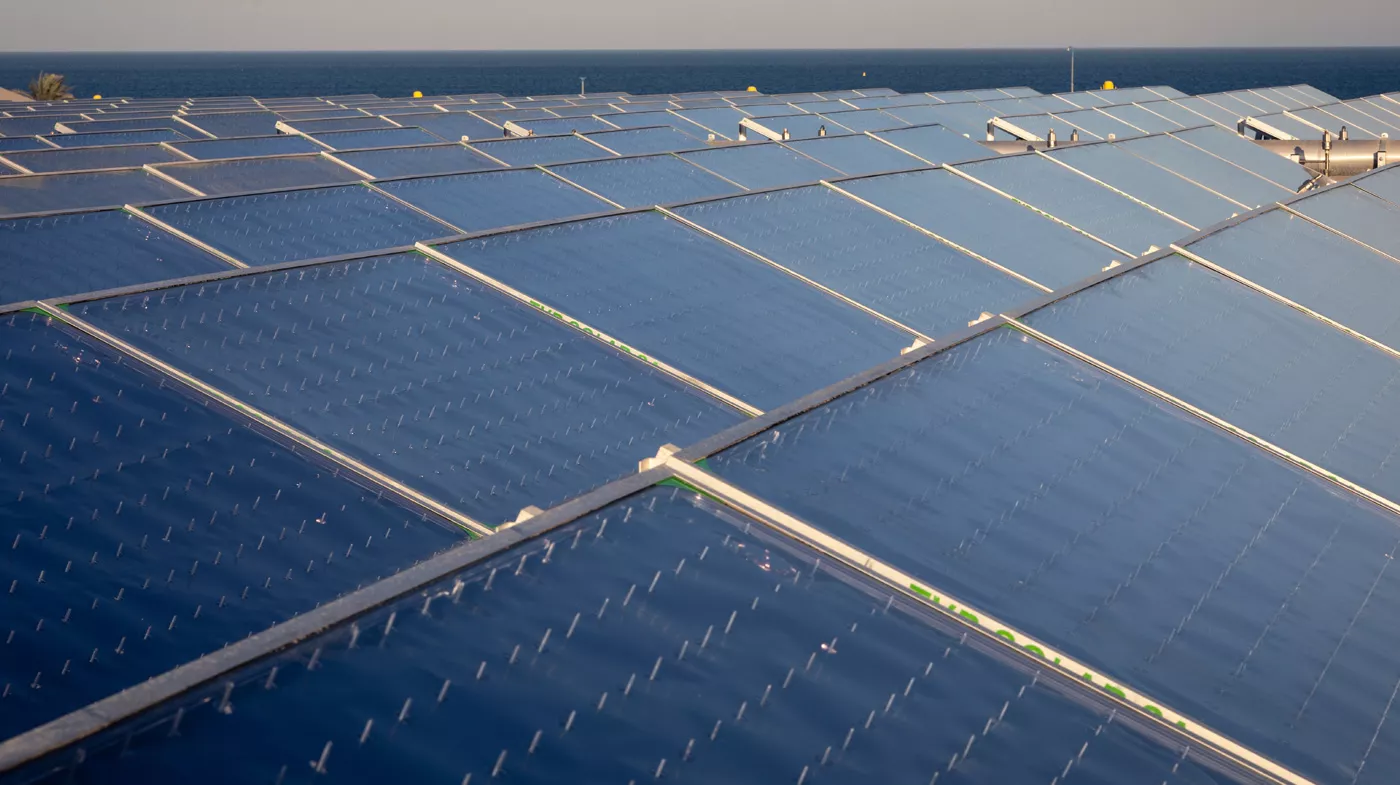
Ammonia can complement wind and solar, especially in northern Europe, where seasonal periods of low wind and sunlight can affect the performance of solar panels and wind turbines.
The infrastructure challenge
As European industry seeks new lower-carbon energy sources, ammonia is being adopted as a hydrogen [SVL1] [BMS(2)] carrier (a stable, energy-dense way to transport hydrogen) in sectors ranging from shipping to power generation and steel production. The extent of its climate benefits, however, depends significantly on how the ammonia is produced and used. Building up these value chains in Europe will require investment in pipelines, cracking facilities, and other infrastructure, along with the development of robust policies and standards.
The recently concluded pipeline safety study contributes to the identification of how various entities can understand the technical and legislative considerations related to large-scale ammonia transport. This represents a key step toward in understanding the conditions required — including investment — for the creation of lower-carbon ammonia infrastructure in Europe.