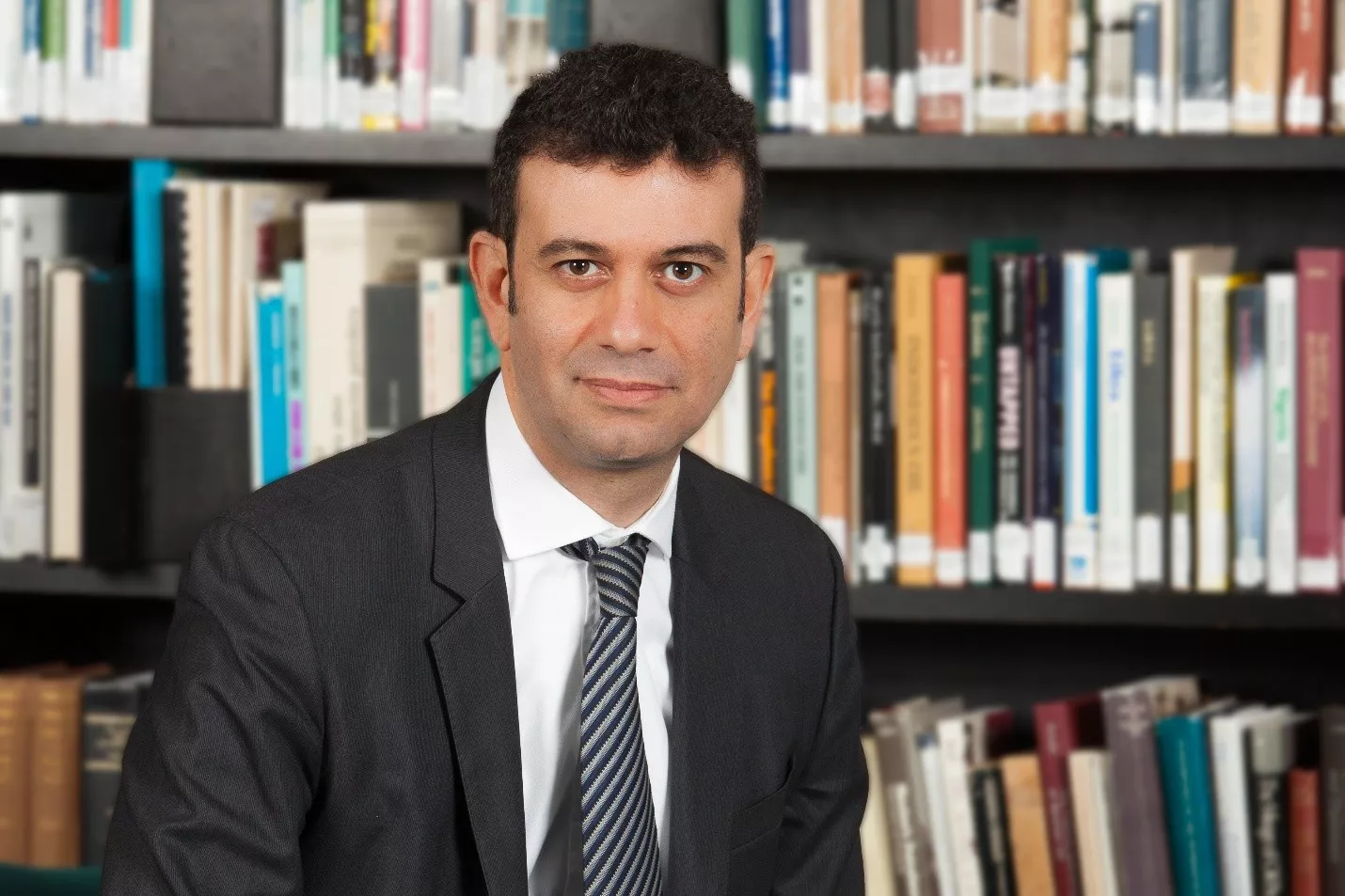
Aimed at early-stage researchers, the OIES-Aramco Fellowship has contributed to the global Energy Transition conversation through independent research into different aspects of the industry, including relations between producers and consumers and the economic and geopolitical factors that influence the sector. Oxford Institute for Energy Studies (OIES) Director Dr Bassam Fattouh explains how the program has evolved and why he continues to be inspired by the work of its scholars.
The transition to a lower-carbon energy system is one of the key research themes pursued by OIES-Aramco Fellows, and you can really see this reflected in the themes they choose. Across the cohort, there’s a clear shift toward tackling system-level challenges rather than just isolated technologies or policies.
A few trends stand out. There has been a strong focus on electricity system transformation — how to redesign markets, build flexibility, and ensure system adequacy as renewables grow. Fellows are also looking closely at decarbonizing hard-to-abate sectors, whether through hydrogen, industrial energy use, or alternative fuels. Another major theme is the policy and regulatory frameworks needed to scale low-carbon infrastructure. And importantly, many scholars are bringing in perspectives from emerging and developing economies, recognizing that transition pathways differ widely across contexts.
Overall, the research is becoming more integrated, combining economic, regulatory, and technological analysis to reflect the real-world complexity of the energy transition.
Absolutely — AI has quickly become a significant research theme, especially in relation to electricity markets and demand-side flexibility. Two current Fellows are working directly on AI-enabled applications.
One is examining how AI can shape retail electricity tariff design — looking not only at the potential for enhanced demand response, but also at the regulatory, behavioral, and consumer protection issues that come with it. Another is exploring how AI can support consumer engagement in residential demand flexibility, drawing on existing literature to map out the opportunities, risks, and regulatory challenges that arise when consumers participate in system flexibility through AI-driven tools.
What’s notable in these projects is that AI is treated as more than just a technical innovation; it is viewed as a force that can reshape markets and policy. This aligns with a broader trend toward understanding how digitalization can improve system efficiency while also requiring updated regulatory frameworks.
Looking ahead, we expect AI-related research to expand into areas such as system forecasting, resilience, market monitoring, and the integration of energy and mobility systems.
Several developments stand out. The growing importance of flexibility and demand-side participation is reshaping how decarbonized systems operate. At the same time, hydrogen and alternative fuels are emerging rapidly, bringing big questions around scale, cost, and market design. And of course, digitalization and AI, are opening new possibilities for efficiency, coordination, and real-time optimization.
Together, these shifts create a rare moment where research can inform discussions around policy and investment decisions at scale, which is incredibly motivating for our scholars.
The OIES-Aramco Fellowship contributes to the energy transition conversation in different ways, though not always in the most obvious ones. Fellows are deeply engaged in knowledge exchange, through seminars, workshops, and collaborative projects, which helps foster informed dialogue across academic, policy, and industry communities. Their work provides publicly available, evidence-based analysis that contributes to broader academic, policy, and industry discussions. This also contributes to public understanding of key social and economic issues. The program’s emphasis on training and mentoring emerging scholars further strengthens the pipeline of future leaders in this space.
More specifically, the fellowship’s research offers independent, policy-relevant analysis at the intersection of markets, regulation, and technology. It informs policymakers and regulators on issues such as market design, flexibility, and decarbonization pathways. Fellows also contribute to academic and industry debates through publications and events, and they are helping to shape emerging discussions around digitalization, AI governance, and consumer participation in energy markets.
All of this reinforces OIES’s role as a trusted, independent platform for advancing informed, constructive dialogue on how to achieve an efficient, secure, and lower-carbon energy future.
1. How is the transition to a lower carbon energy future shaping the OIES-Aramco research themes chosen by your scholars and what has been the biggest trend you have identified in terms of the subject areas?
The transition to a lower-carbon energy system is one of the key research themes pursued by OIES-Aramco Fellows, and you can really see this reflected in the themes they choose. Across the cohort, there’s a clear shift toward tackling system-level challenges rather than just isolated technologies or policies.
A few trends stand out. There has been a strong focus on electricity system transformation — how to redesign markets, build flexibility, and ensure system adequacy as renewables grow. Fellows are also looking closely at decarbonizing hard-to-abate sectors, whether through hydrogen, industrial energy use, or alternative fuels. Another major theme is the policy and regulatory frameworks needed to scale low-carbon infrastructure. And importantly, many scholars are bringing in perspectives from emerging and developing economies, recognizing that transition pathways differ widely across contexts.
Overall, the research is becoming more integrated, combining economic, regulatory, and technological analysis to reflect the real-world complexity of the energy transition.
2. AI has emerged as one of the defining technologies of the past year. Has this also been reflected in some of the research themes chosen by your scholars?
Absolutely — AI has quickly become a significant research theme, especially in relation to electricity markets and demand-side flexibility. Two current Fellows are working directly on AI-enabled applications.
One is examining how AI can shape retail electricity tariff design — looking not only at the potential for enhanced demand response, but also at the regulatory, behavioral, and consumer protection issues that come with it. Another is exploring how AI can support consumer engagement in residential demand flexibility, drawing on existing literature to map out the opportunities, risks, and regulatory challenges that arise when consumers participate in system flexibility through AI-driven tools.
What’s notable in these projects is that AI is treated as more than just a technical innovation; it is viewed as a force that can reshape markets and policy. This aligns with a broader trend toward understanding how digitalization can improve system efficiency while also requiring updated regulatory frameworks.
Looking ahead, we expect AI-related research to expand into areas such as system forecasting, resilience, market monitoring, and the integration of energy and mobility systems.
3. What aspects of the energy, mobility or materials transitions excite you most?
What’s most exciting is how systemic the transition has become. We’re no longer looking at electricity, mobility, and industry in isolation. These systems are increasingly interconnected, and that’s prompting a fundamental rethink of markets, regulation, and the role of consumers.Several developments stand out. The growing importance of flexibility and demand-side participation is reshaping how decarbonized systems operate. At the same time, hydrogen and alternative fuels are emerging rapidly, bringing big questions around scale, cost, and market design. And of course, digitalization and AI, are opening new possibilities for efficiency, coordination, and real-time optimization.
Together, these shifts create a rare moment where research can inform discussions around policy and investment decisions at scale, which is incredibly motivating for our scholars.
4. How is the research undertaken by scholars influencing the conversation around pathways toward a lower-carbon energy future?
The OIES-Aramco Fellowship contributes to the energy transition conversation in different ways, though not always in the most obvious ones. Fellows are deeply engaged in knowledge exchange, through seminars, workshops, and collaborative projects, which helps foster informed dialogue across academic, policy, and industry communities. Their work provides publicly available, evidence-based analysis that contributes to broader academic, policy, and industry discussions. This also contributes to public understanding of key social and economic issues. The program’s emphasis on training and mentoring emerging scholars further strengthens the pipeline of future leaders in this space.
More specifically, the fellowship’s research offers independent, policy-relevant analysis at the intersection of markets, regulation, and technology. It informs policymakers and regulators on issues such as market design, flexibility, and decarbonization pathways. Fellows also contribute to academic and industry debates through publications and events, and they are helping to shape emerging discussions around digitalization, AI governance, and consumer participation in energy markets.
All of this reinforces OIES’s role as a trusted, independent platform for advancing informed, constructive dialogue on how to achieve an efficient, secure, and lower-carbon energy future.