Europe has become one of the most important proving grounds for the global materials transition — the effort to develop stronger, lighter, longer-lasting and lower-emission materials that can support growing economies.
A newly published Aramco case study, Advancing the Materials Transition, highlights how innovation, partnerships and investment can accelerate this shift, with several of the company's most significant materials-related collaborations rooted in Europe.
From the UK to the Netherlands and Switzerland, Aramco is working with research institutions, technology developers and venture-backed innovators to advance materials that can improve infrastructure, renewable energy systems and industrial operations.
Extending lifecycles
With global demand for materials expected to rise significantly over the coming decades, the challenge is not simply to produce more materials, but to develop better ones that offer improved performance while reducing emissions and extending product lifecycles.
Aramco has maintained research activities in Europe through its global R&D network and has developed strong links with European research institutions focused on advanced materials technologies. These collaborations form part of a wider effort to advance next-generation composites and advanced polymers capable of delivering high performance while reducing lifecycle emissions.
One of Aramco's most notable European initiatives is the Non-Metallic Innovation Centre (NIC) in Cambridge. Established in partnership with The Welding Institute (TWI) and Abu Dhabi National Oil Company, the center brings together academia, manufacturers, energy companies and research organizations to develop, test and commercialize advanced non-metallic materials. The facility serves as a collaborative hub where new materials can move more quickly from the laboratory into real-world applications.
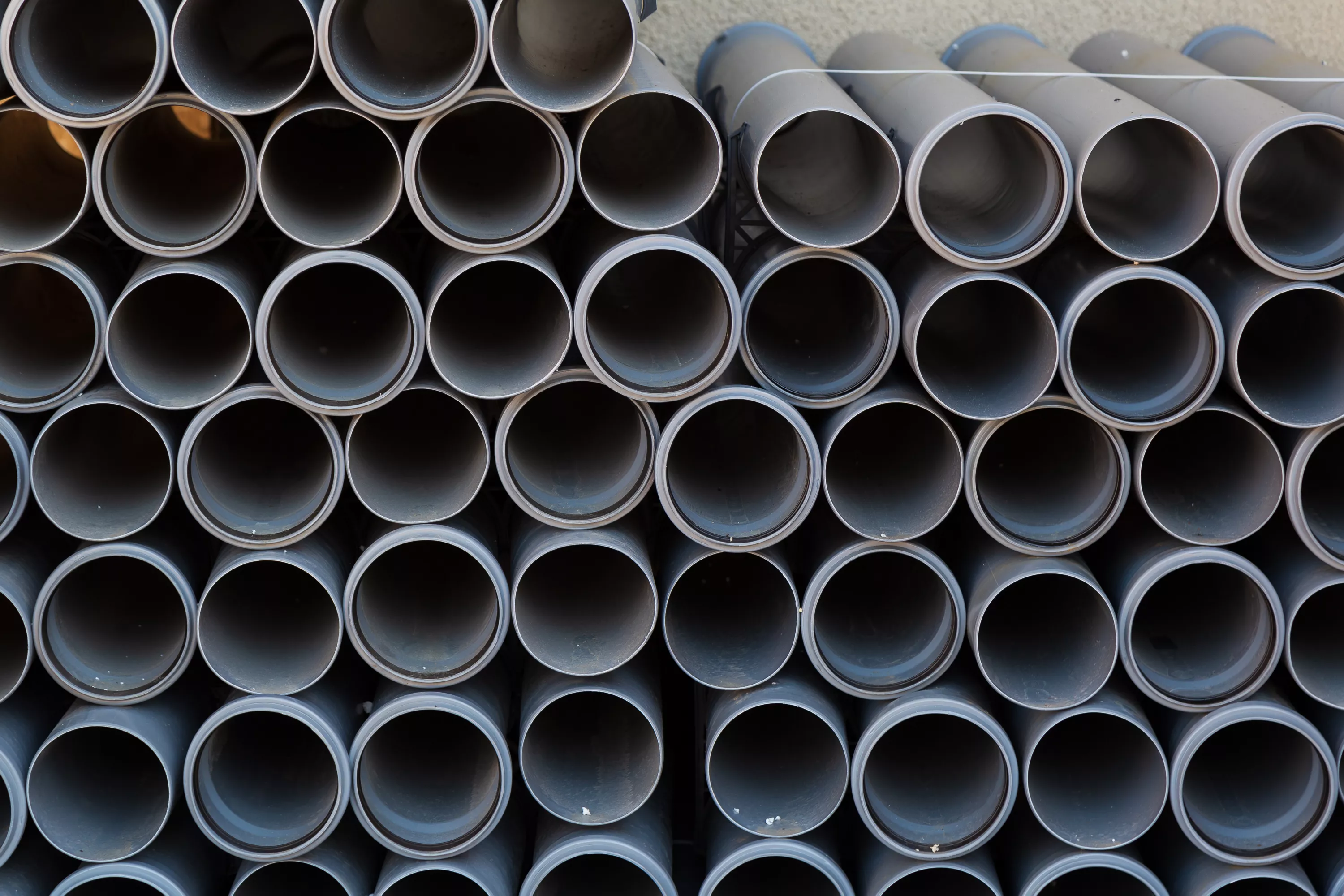
Aramco's European innovation footprint also extends to the Netherlands, where it has invested in Strohm, which manufactures non-metallic thermoplastic composite pipes (TCP) designed for demanding industrial environments. Compared with conventional metallic pipelines, TCP offers corrosion resistance, lower weight, and improved high internal and external pressure tolerance. Aramco has deployed Strohm’s TCP in onshore crude oil transport and is evaluating further deployments across multiple fluids in both onshore and offshore environments.
Another compelling example of Aramco's contribution to materials innovation in Europe, is GraphEnergyTech. The company was created to commercialize graphene technologies developed at the University of Cambridge and Switzerland's École Polytechnique Fédérale de Lausanne (EPFL). Its graphene-based conductive inks can provide a lower-cost alternative to precious metals such as silver and gold in solar cells and electronics, helping improve supply-chain resilience while reducing material costs. Recognizing the technology's potential, Aramco Ventures invested in GraphEnergyTech in 2024, supporting the scale-up of a platform that could help enable next-generation renewable energy and electronics technologies.
Startups to growth
With offices across Europe, North America and Asia and approximately $7.5 billion in assets under management, Aramco Ventures invests in startups and growth companies developing strategic technologies. Its role extends beyond providing capital to actively helping portfolio companies accelerate commercialization by connecting them with industrial applications and deployment opportunities.
These investments and partnerships sit within a much broader innovation ecosystem. Aramco is currently collaborating with more than 38 manufacturers and research institutes worldwide across sectors including construction, automotive, renewable energy, packaging and oil and gas. Those collaborations have already produced more than 75 laboratory and industrial-scale prototypes and generated more than 50 filed or granted patents.
The significance of this work is growing. The World Economic Forum has described the materials transition as a necessary complement to the energy transition, while advanced materials are increasingly seen as essential for reducing emissions, extending asset life and enabling circular economy models. Aramco's European partnerships illustrate how international collaboration can help bridge the gap between scientific discovery and industrial deployment.
Across Europe, the race to develop the next generation of sustainable materials is accelerating. From advanced graphene technologies in Switzerland and the United Kingdom to collaborative research partnerships with leading European universities and innovation institutes, Aramco is committed to advancing the global materials transition.